Jul 24, 2026
Share:
By Maxwell Beauty Technology · July 24, 2026 · 12 min read
Radiofrequency microneedling has emerged as one of the most transformative minimally invasive treatments in aesthetic medicine — combining the collagen-inducing power of traditional microneedling with the deep tissue remodeling effects of radiofrequency energy. Whether you're a clinic owner evaluating new equipment or a practitioner looking to expand your service menu, this comprehensive guide covers everything you need to know.
The global RF microneedling market is projected to reach $830 million by 2033, growing at an 8.5% CAGR — a testament to the surging demand from patients who want visible rejuvenation without the downtime of surgical procedures. In this guide, we'll explore the science behind the technology, its clinical applications, the treatment process, aftercare protocols, and how to choose the right RF microneedling machine for your practice.
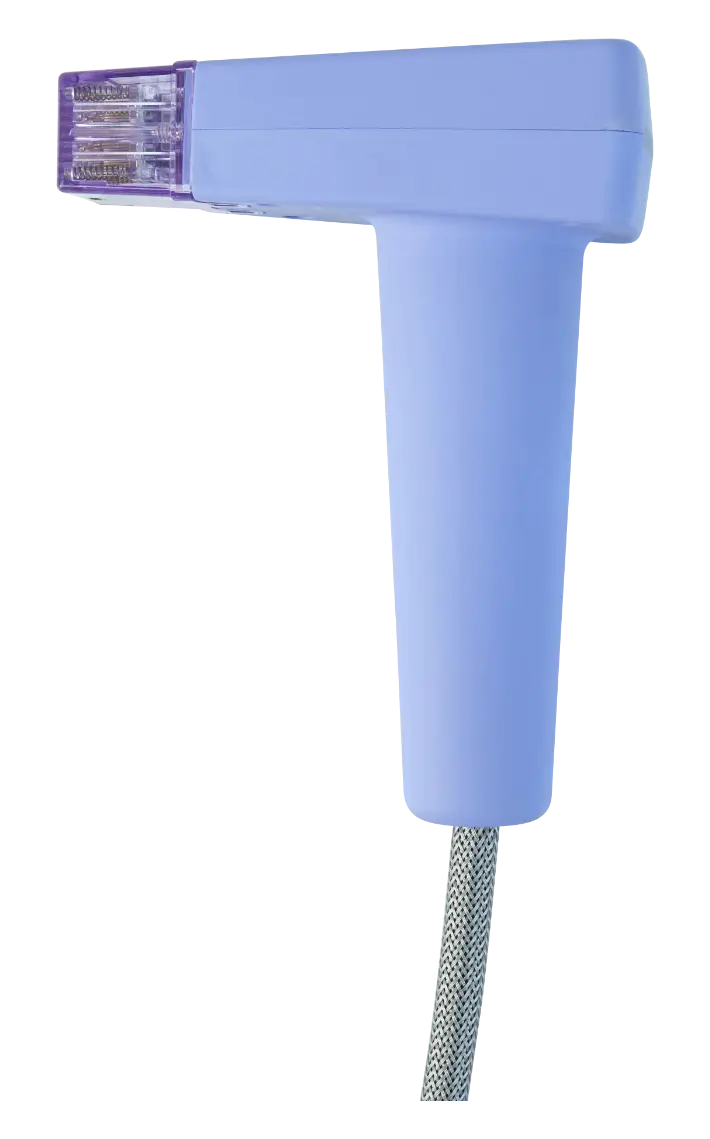
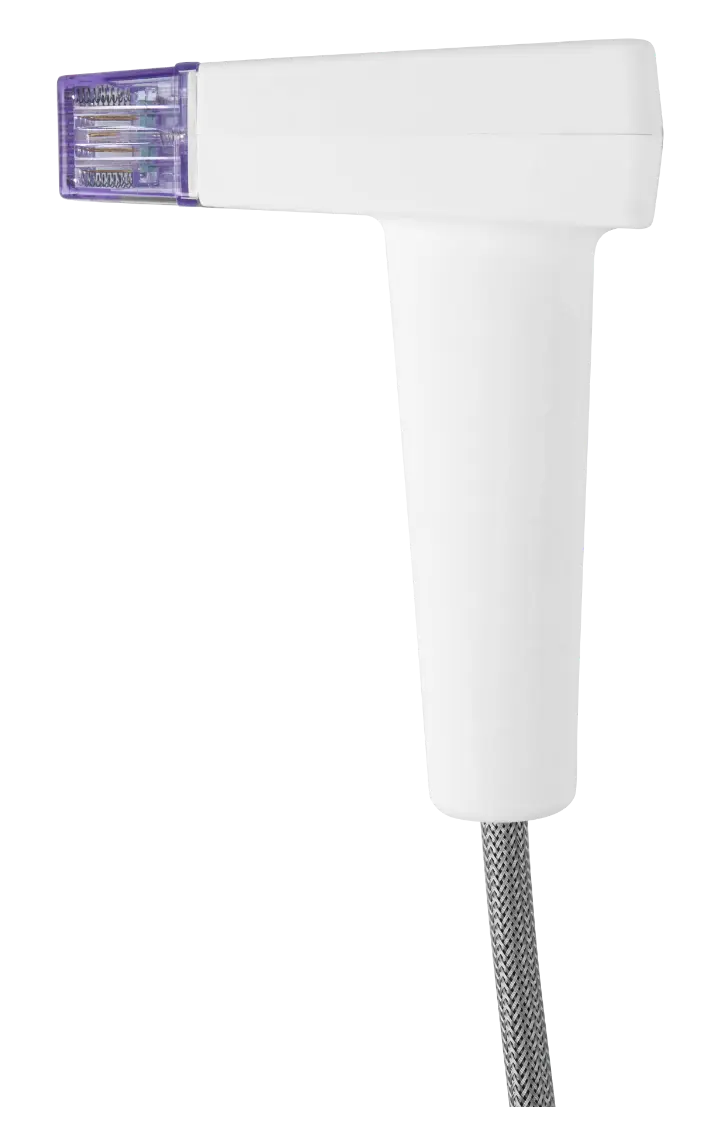
Radiofrequency microneedling (often abbreviated as RF microneedling) is a minimally invasive cosmetic procedure that merges two proven technologies: mechanical microneedling and radiofrequency (RF) energy delivery. The treatment uses a specialized handheld device equipped with ultra-fine needles — typically gold-plated for optimal conductivity and biocompatibility — that penetrate the skin to precise, adjustable depths while simultaneously emitting controlled radiofrequency energy from the needle tips.
This dual-action approach creates controlled micro-injuries in the skin's surface while delivering heat energy deep into the dermis. The result is a powerful stimulation of the body's natural wound-healing cascade, triggering robust collagen and elastin production that continues to improve skin quality for months after treatment.
Common device names you may encounter include Morpheus8, Secret RF, Potenza, and Maxwell's own M8 RF Microneedling System. While each device has its unique features, the underlying principle remains the same: precise, fractionated RF energy delivery for maximum collagen remodeling with minimal epidermal damage.
Quick Fact: The fractional RF microneedling modality commands a 38.2% market share in 2026, making it the dominant technology type in the aesthetic device industry — thanks to its ability to deliver precise, controlled energy while minimizing patient downtime.
To understand why RF microneedling is so effective, it helps to break down the mechanism into two complementary processes:
When the fine needles penetrate the skin, they create hundreds of microscopic channels. These micro-wounds trigger the body's natural healing response, activating platelets, growth factors, and fibroblasts — the cells responsible for producing collagen and elastin. This is the same principle behind traditional microneedling (also known as collagen induction therapy).
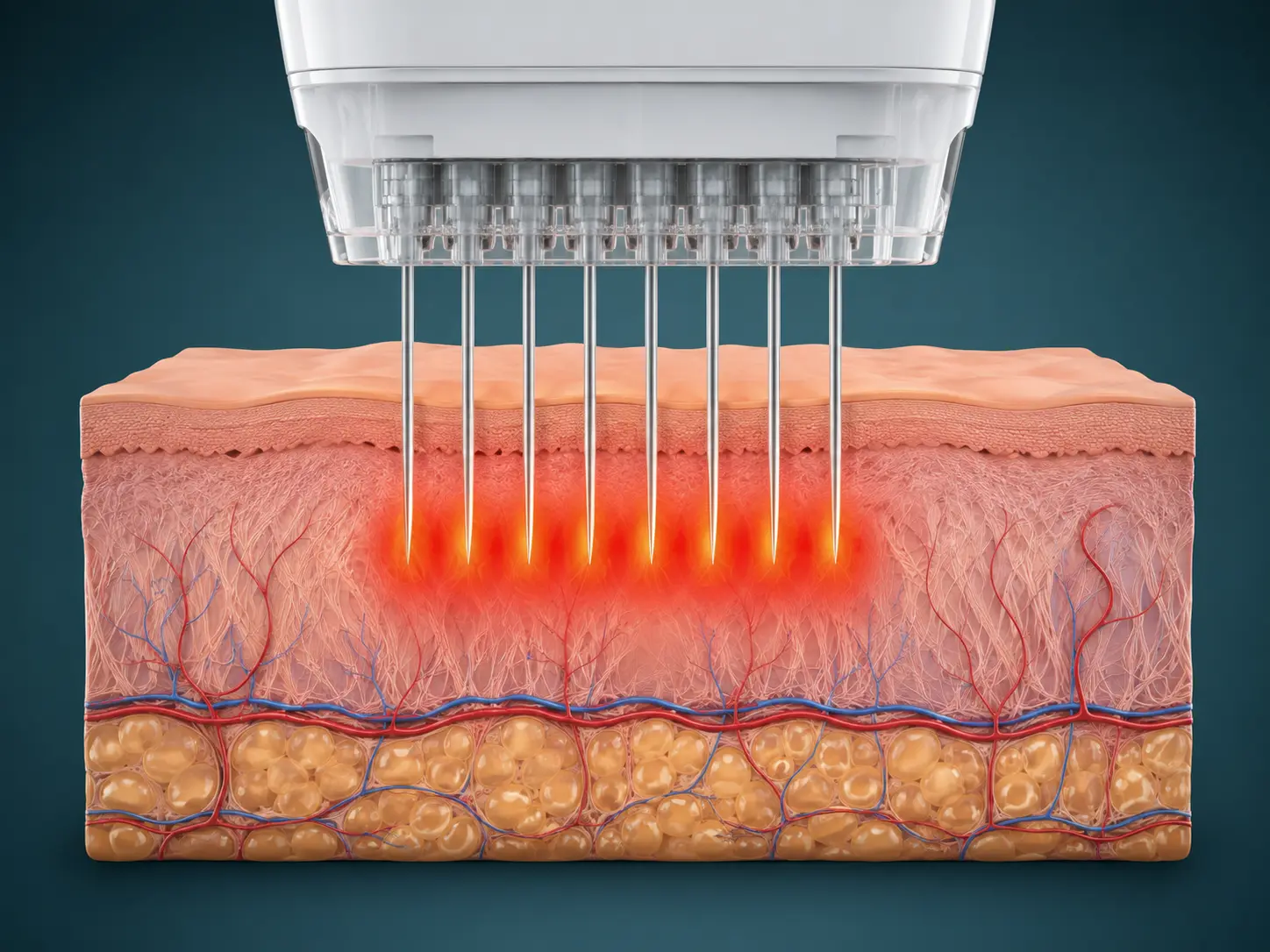
Here's where RF microneedling goes beyond its traditional counterpart. As the needles enter the skin, they deliver radiofrequency energy exclusively at the needle tip — deep within the dermis. This creates localized "thermal zones" that heat the tissue to precise temperatures (typically 55-65°C), causing immediate collagen contraction and triggering long-term neocollagenesis (new collagen formation).
The insulation on the needle shaft ensures that the RF energy is released only at the tip, leaving the epidermis largely unaffected. This is why RF microneedling achieves significant dermal remodeling with far less surface damage than ablative laser treatments.
The combination of mechanical stimulation and thermal energy produces a synergistic effect: collagen fibers contract immediately upon heating (providing instant tightening), while the sustained production of new collagen and elastin over the following weeks and months delivers progressive, natural-looking improvement.
RF microneedling has rapidly become a cornerstone treatment in aesthetic clinics worldwide. Here's why practitioners and patients alike are embracing this technology:
The thermal energy delivered deep into the dermis causes immediate collagen fiber contraction, resulting in visible tightening from the very first session. Over subsequent weeks, the continued collagen production further firms and lifts the skin, making RF microneedling particularly effective for the jawline, neck, and lower face.
RF microneedling is one of the most effective treatments for atrophic acne scars. The combination of mechanical disruption and thermal remodeling helps break down fibrous scar tissue while stimulating the production of new, organized collagen to fill in depressed scars. Studies show that 3-4 sessions can reduce acne scar depth by 50-75%.
By regulating sebum production and tightening the surrounding tissue, RF microneedling visibly reduces enlarged pores — particularly in the T-zone area where oil glands are most active.
The boosted collagen and elastin production plumps the skin from within, smoothing fine lines around the eyes, mouth, and forehead. Results develop progressively, offering a natural-looking alternative to injectable fillers.
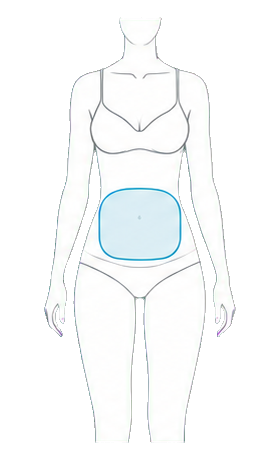
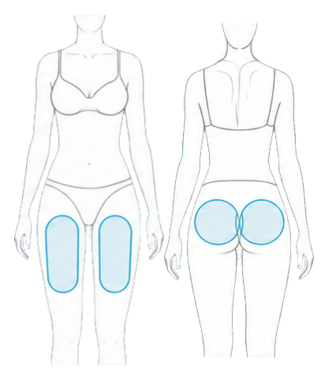
RF microneedling isn't limited to the face. It's increasingly used on the body to improve the appearance of stretch marks (striae) by remodeling the disrupted collagen structure in affected areas — particularly effective for postpartum abdominal stretch marks.
Compared to ablative laser resurfacing, which can require 7-14 days of recovery, RF microneedling typically involves only 1-3 days of mild redness and swelling. Most patients return to their normal activities within 24-48 hours.
Because the RF energy is delivered below the epidermis, the risk of post-inflammatory hyperpigmentation (PIH) is significantly lower than with heat-based laser treatments. This makes RF microneedling a safe option for darker skin types (Fitzpatrick IV-VI) when performed with appropriate settings.
Market Insight: The U.S. RF microneedling market alone was valued at $78.4 million in 2024 and is projected to double to $169.5 million by 2035. Patient awareness is at an all-time high, with many clients now requesting RF microneedling by name during consultations.
One of the greatest strengths of RF microneedling is its versatility. A single device can address an impressive range of dermatological and aesthetic concerns:
| Condition | Treatment Area | Typical Results |
|---|---|---|
| Acne scars (atrophic, ice pick, boxcar) | Face, back | 50-75% improvement after 3-4 sessions |
| Fine lines and wrinkles | Face, neck, decolletage | Progressive smoothing over 3-6 months |
| Enlarged pores | T-zone, cheeks | Visible reduction after 2-3 sessions |
| Skin laxity and sagging | Jawline, neck, lower face | Noticeable tightening from first session |
| Stretch marks (striae) | Abdomen, thighs, hips, breasts | 30-50% improvement with 4-6 sessions |
| Hyperpigmentation and uneven tone | Face, body | Gradual evening of skin tone |
| Surgical and traumatic scars | Any area | Softening and flattening of scar tissue |
| Hyperhidrosis (excessive sweating) | Axillary (underarms) | Significant reduction after 2-3 sessions |
| Active acne (sebum regulation) | Face, back | Reduced oil production and breakouts |
A typical RF microneedling session follows a structured protocol designed to maximize results while ensuring patient comfort and safety:
Before any treatment, the practitioner conducts a thorough consultation to assess the patient's skin type, medical history, treatment goals, and any contraindications. Photographs are typically taken to track progress. The practitioner develops a customized treatment plan, including the number of sessions, needle depths, and RF energy levels appropriate for the patient's specific concerns.
On the day of treatment, the target area is thoroughly cleansed to remove all makeup, oils, and debris. A topical anesthetic cream (typically containing lidocaine) is applied and left on for 30-60 minutes to ensure adequate numbing. The anesthetic is then removed and the skin is disinfected with an antiseptic solution.
The practitioner selects the appropriate needle cartridge (common configurations include 10-pin, 25-pin, 49-pin, and 64-pin arrays) based on the treatment area and concern. The handheld device is then systematically passed across the skin in a methodical pattern. During treatment, the patient may feel a sensation of pressure, warmth, or light prickling — but significant pain should not be experienced thanks to the anesthetic.
The practitioner adjusts needle depth (typically 0.5mm to 3.5mm) and RF energy levels based on the tissue being targeted. Deeper concerns like acne scars require greater penetration, while superficial concerns like fine lines use shallower depths. A full-face session typically takes 30-45 minutes; larger body areas may take up to 60 minutes.
Immediately after treatment, a soothing serum or recovery mask is applied to calm the skin. Many practitioners also use LED light therapy (red or yellow light) to reduce inflammation and accelerate healing. A broad-spectrum sunscreen is applied before the patient leaves.
The patient receives detailed aftercare instructions, including which products to use, which to avoid, and when to return for the next session. Proper aftercare is critical for optimal results and complication prevention.
While both treatments use needles to stimulate collagen, the addition of radiofrequency energy creates a fundamentally different — and more powerful — treatment modality:
| Feature | Traditional Microneedling | RF Microneedling |
|---|---|---|
| Mechanism | Mechanical micro-injury only | Mechanical + thermal (RF energy) |
| Collagen stimulation | Moderate | Significantly higher |
| Skin tightening | Minimal | Significant (collagen contraction) |
| Acne scar results | 30-40% improvement | 50-75% improvement |
| Energy depth control | N/A (mechanical only) | Precise RF delivery at needle tip |
| Downtime | 1-2 days | 1-3 days |
| Cost per session | Lower ($200-$700) | Higher ($500-$2,000+) |
| Best for | Mild concerns, product absorption | Moderate to severe concerns, tightening |
For clinics, offering RF microneedling means providing a premium service that commands higher pricing while delivering superior patient outcomes. The ROI on an RF microneedling machine is typically achieved within 3-6 months of regular use.
Proper aftercare is essential for maximizing results and minimizing complications. Here's what patients should expect and how to care for treated skin:
Expect redness and swelling: Similar to a mild sunburn, this is completely normal and typically peaks at 2-6 hours post-treatment.
Apply cold compresses: Gently apply cold packs (wrapped in a clean cloth) to reduce swelling and discomfort.
Do not touch the treated area: Keep hands away to prevent infection.
Avoid washing: Wait at least 6-8 hours before cleansing the face. Use only lukewarm water and a gentle, fragrance-free cleanser.
No makeup: Avoid all cosmetics for at least 24 hours.
Use gentle skincare only: Switch to a mild cleanser and apply recovery serums containing hyaluronic acid, growth factors, or peptides.
Avoid active ingredients: No retinoids, AHAs/BHAs, vitamin C serums, or exfoliating products for at least 5-7 days.
Stay hydrated: Drink plenty of water and use a barrier-repair moisturizer.
Sun protection is critical: Wear SPF 30+ daily. Prefer physical (mineral) sunscreen over chemical formulas during the healing phase.
Normal appearance returns: Redness should subside; some patients notice mild flaking or dryness as the skin renews.
Avoid heat and sweat: No saunas, hot yoga, swimming, or intense exercise for at least 5-7 days.
Do not pick or scratch: If micro-scabs form, let them fall off naturally — picking can cause scarring and hyperpigmentation.
Gradually reintroduce products: After day 5, slowly reintroduce regular skincare, starting with gentle formulations.
Pro Tip for Practitioners: Providing patients with a printed aftercare card and a post-treatment recovery kit (containing gentle cleanser, recovery serum, and mineral SPF) significantly improves satisfaction scores and reduces follow-up complication calls.
The number of RF microneedling sessions required depends on the severity of the concern being treated, the patient's age and skin condition, and the specific device and settings used:
Mild concerns (fine lines, mild texture issues, preventive maintenance): 2-3 sessions spaced 4-6 weeks apart.
Moderate concerns (acne scars, enlarged pores, early skin laxity): 3-4 sessions spaced 4-6 weeks apart.
Severe concerns (deep acne scars, significant laxity, stretch marks): 4-6 sessions spaced 4-6 weeks apart.
Because RF microneedling stimulates the body's own collagen production, improvements continue to develop for 3-6 months after the final session. Most practitioners recommend maintenance treatments once or twice per year to sustain results.
Results typically last 12-18 months, depending on the patient's age, skincare routine, sun protection habits, and overall lifestyle. Combining RF microneedling with a good at-home skincare regimen can extend results significantly.
While RF microneedling is safe for the majority of patients, certain conditions are contraindicated. A thorough pre-treatment screening is essential:
Active skin infections in the treatment area (bacterial, viral, or fungal, including active cold sores/herpes simplex)
Pregnancy and breastfeeding
Pacemakers or implanted electronic devices (the RF energy can interfere with these devices)
Metal implants in or near the treatment area
Active skin cancer or suspicious lesions in the treatment zone
Bleeding disorders or current use of anticoagulant medications (discontinue 2 weeks prior, with physician approval)
Current chemotherapy or radiation therapy
Keloid or hypertrophic scarring tendency
Recent isotretinoin (Accutane) use — wait at least 6 months after discontinuation
Severe active acne — treat and control acne first to prevent bacterial spread
History of cold sores — prophylactic antiviral medication recommended before treatment
Diabetes or autoimmune conditions — may impair healing; assess on a case-by-case basis
Recent sunburn or excessive sun exposure — wait at least 2 weeks
Recent cosmetic procedures (lasers, chemical peels, injectables) — wait 2-4 weeks depending on the procedure
For clinics, medspas, and distributors, selecting the right RF microneedling device is a critical business decision. Here are the key factors to evaluate:
Look for a device that offers multiple needle cartridge options (e.g., 10-pin, 25-pin, 49-pin, 64-pin). Different configurations suit different treatment areas and concerns. Finer needle arrays (10-pin) are ideal for sensitive areas like the peri-orbital zone, while denser arrays (64-pin) are more efficient for larger body areas.
The ability to precisely control needle penetration depth (ideally 0.5mm to 3.5mm) is non-negotiable. Different skin concerns require different depths — superficial concerns like fine lines need 0.5-1.5mm, while deep acne scars may require 2.0-3.5mm penetration.
A quality device should offer adjustable RF power levels and pulse durations, allowing practitioners to customize energy delivery based on skin type, treatment area, and patient tolerance. Impedance feedback technology (which adjusts energy in real-time based on tissue resistance) is a premium feature worth considering.
Key safety features to look for include: insulated needle shafts (to protect the epidermis), real-time temperature monitoring, automatic energy shut-off, and CE/FDA certifications. These features protect both the patient and the practitioner.
The device should be comfortable to hold for extended periods, with an intuitive touchscreen interface, easy cartridge replacement, and a foot pedal or handle-button control option. A heavy or awkward device leads to practitioner fatigue and inconsistent treatment quality.
Gold-plated, insulated needles are the gold standard. The insulation ensures RF energy is delivered only at the needle tip, not along the shaft — this is what makes RF microneedling safe with minimal epidermal damage. Cheap devices with poorly insulated needles can cause surface burns and inconsistent results.
A device is only as good as the support behind it. Look for manufacturers that provide comprehensive training (video, manual, and online), responsive technical support, and accessible replacement cartridges. Warranty coverage (ideally 1-2 years) is also important.
As a leading beauty and aesthetic machine manufacturer based in Guangzhou, China, Maxwell Beauty Technology offers RF microneedling solutions designed for clinical excellence and business growth:
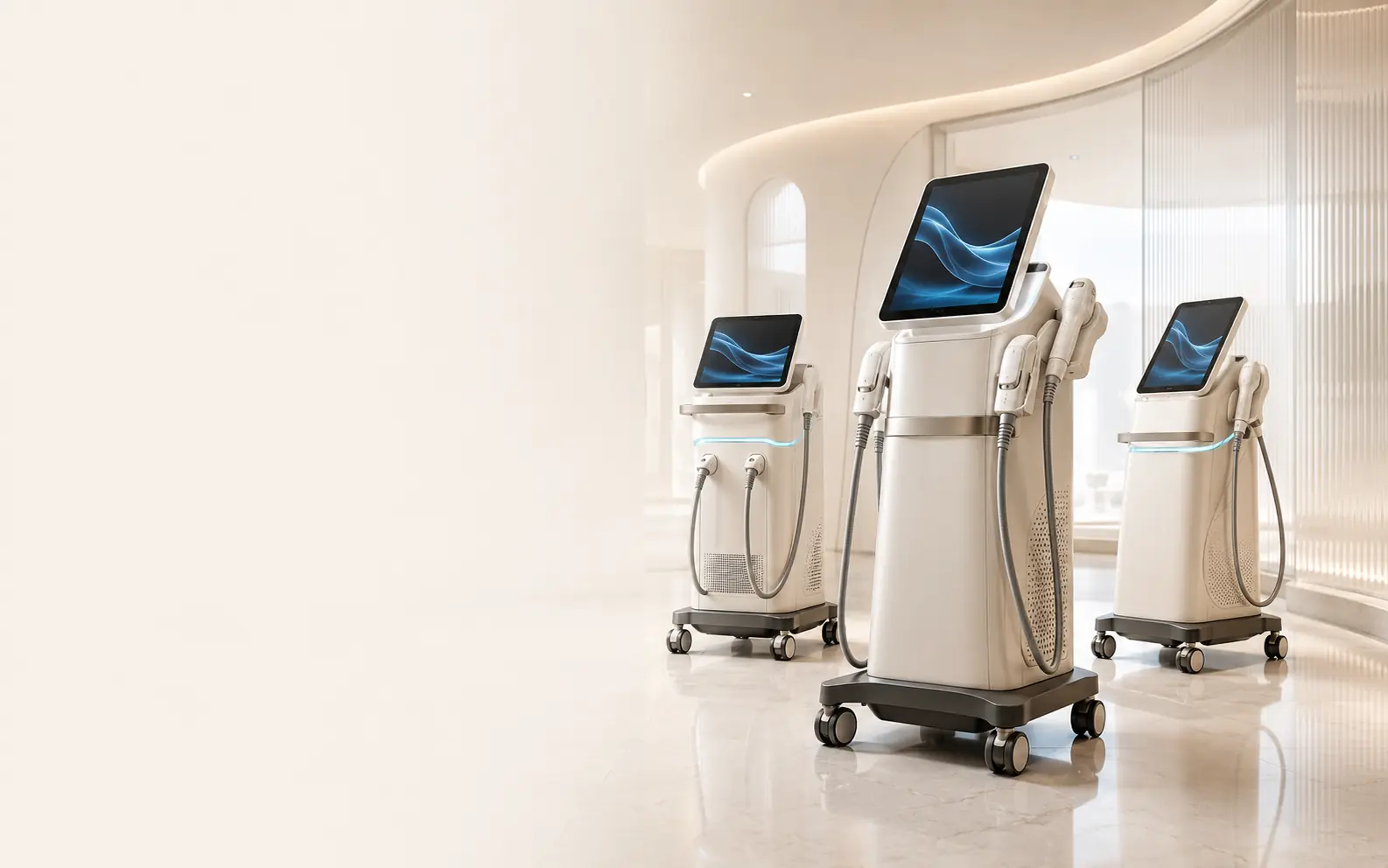
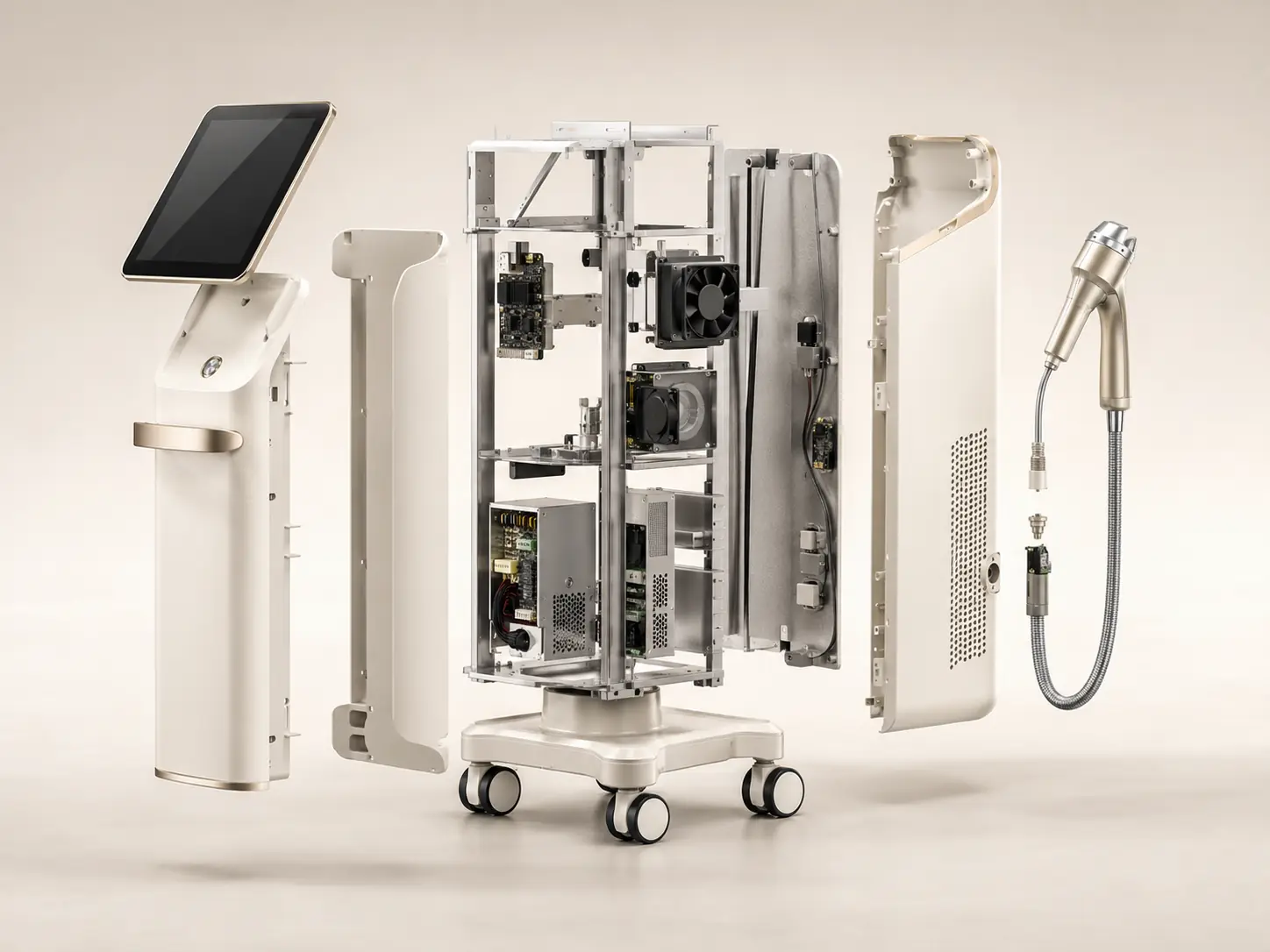
Maxwell's flagship M8 RF Microneedling Fractional Radio Frequency Skin Rejuvenation System integrates advanced microneedling technology with fractional RF energy delivery. The system creates controlled thermal stimulation deep within the dermis while creating microchannels at the surface — promoting collagen production, skin tightening, and comprehensive rejuvenation.
Independent R&D: Maxwell has its own software development, hardware engineering, and industrial design teams — ensuring continuous innovation and proprietary technology.
Full OEM/ODM Customization: Customize everything from device appearance and software interface to needle cartridges, packaging, and branding. Build your own branded RF microneedling device without the R&D investment.
International Certifications: CE, FDA, and ISO compliant — meeting the regulatory requirements of markets worldwide.
Global Delivery: 3-5 day worldwide shipping with full logistics support.
Comprehensive After-Sales: Professional training, technical support, and warranty service included with every device.
Proven Track Record: Maxwell devices are trusted by clinics in over 10 countries, including Korea, Japan, the UK, Germany, Russia, and Thailand.
What Clients Say: "The RF microneedling device from Maxwell is precise and delivers excellent tightening results. It's now one of our premium facial services." — Jieun L., Clinic Owner, South Korea
Beyond RF microneedling, Maxwell offers a full range of complementary aesthetic devices — including EMS body sculpting, needle-free hydrafacial systems, ENDO therapy, diode laser hair removal, cryolipolysis, and plasma skin rejuvenation. This allows clinics to source all their equipment from a single, trusted supplier with consistent quality and unified after-sales support.
Explore Maxwell's M8 RF Microneedling System and discover how OEM/ODM customization can help you build your brand.
Explore RF Microneedling DevicesRadiofrequency microneedling represents the intersection of proven science and cutting-edge technology — offering patients visible, lasting skin rejuvenation with minimal downtime, and providing clinics with a high-demand, high-margin service that drives patient acquisition and retention.
As the market continues to expand at an 8.5% CAGR through 2033, clinics that invest in quality RF microneedling equipment now will be well-positioned to capture growing patient demand. The key is choosing a device — and a manufacturer — that delivers clinical performance, safety, customization flexibility, and reliable after-sales support.
Maxwell Beauty Technology's M8 RF Microneedling System, with its independent R&D capabilities, full OEM/ODM customization, and proven global track record, offers clinics and distributors a compelling solution for entering or expanding in this rapidly growing market segment.
Contact Maxwell Beauty Technology to learn more about the M8 RF Microneedling System and OEM/ODM customization options for your brand.
Contact Maxwell Beauty TechnologyRelated Products
OUR ADVANTAGES
Why Choose Maxwell
Guangzhou Maxwell Beauty Technology Co., Ltd.
Maxwell is a manufacturer that focuses on the R&D and production of high-tech beauty and body equipment. Maxwell has its own software and hardware development and appearance structure design team...
Partner with Maxwell
–Let’s Build Your Success Together
Contact Us Now
Tracy Liu
E-mail:
WhatsApp:
Leo Fan
E-mail:
WhatsApp:
Mandy Liu
E-mail:
WhatsApp:
Jasper Liu
E-mail:
WhatsApp:
Alice Yang
E-maill:
WhatsApp:
Mia LI
E-mail:
WhatsApp: